

Health Products Distributors
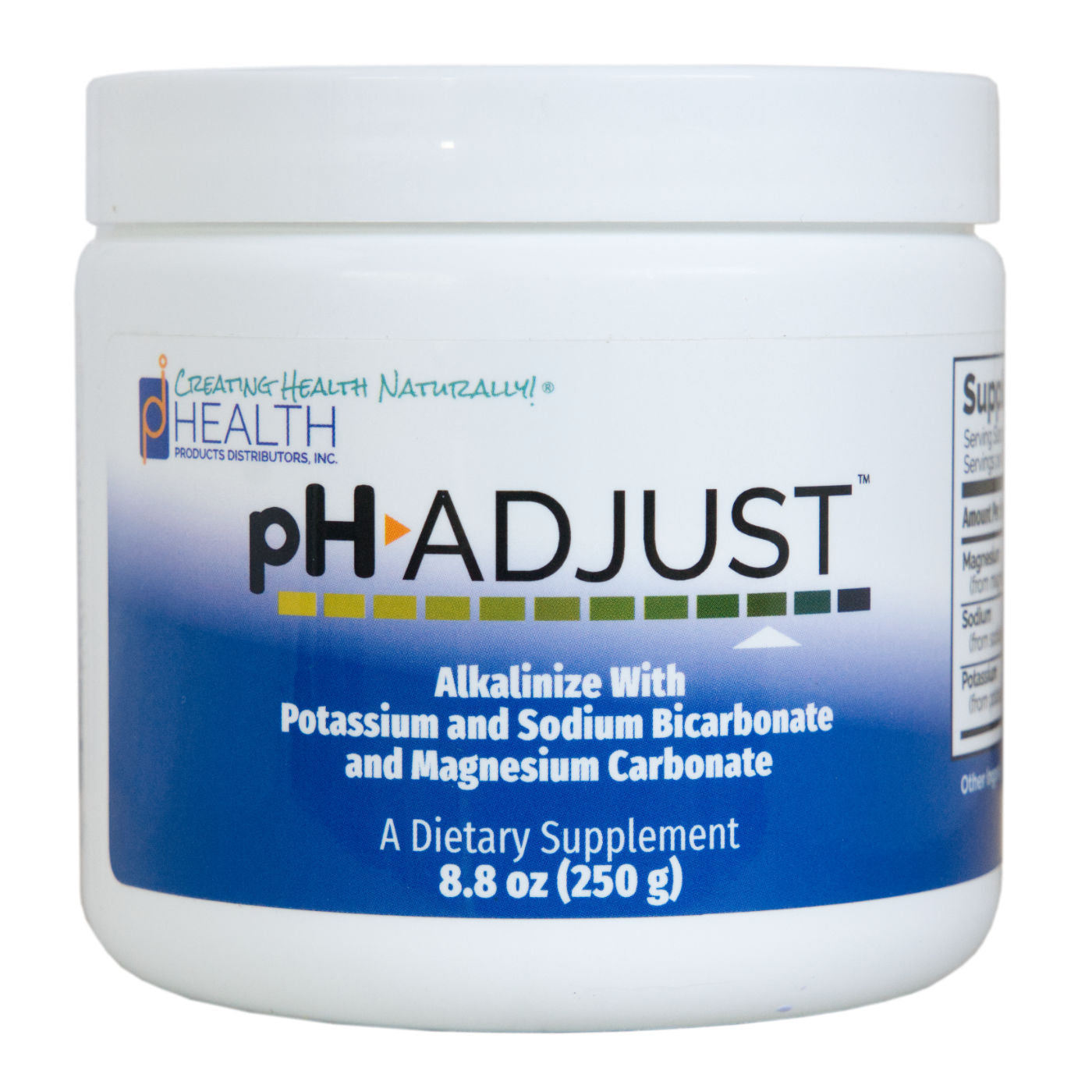
pH Adjust (Sanum-ALKALA Replacement)
Couldn't load pickup availability
Shipping & Returns
Shipping & Returns
*No Returns On Any Products - All Sales Are Final*
DOMESTIC ORDERS:
Orders are picked up daily from our office by USPS at 3:30 pm EST. To ensure that your order will get out the same day you place it, please make sure to have the order in by that time. All orders placed after 3:30 pm EST will get picked up by USPS the next day.
If you are local to the Cleveland, Ohio area, you should receive your order in 1-2 days. You can also pick up orders directly from our Clinic, located at 2460 Fairmount Boulevard, Suite #202, Cleveland Heights, OH 44106.
INTERNATIONAL ORDERS:
You are responsible for paying any customs or duties.
pH ADJUST is designed to balance pH in the body. pH Adjust may be used to increase salivary and urinary pH; counteract overly acidic conditions in the digestive tract, blood, and kidneys; and to supplement the body with the minerals potassium, magnesium, and sodium. pH Adjust contains (in powder form) potassium bicarbonate, magnesium carbonate, sodium bicarbonate, glycine, and silica (0.5%). Each serving (about ½ tsp) contains about 350 mg of bicarbonate, 260 mg of carbonate, 133 mg of potassium, 99 mg of magnesium, 48 mg of sodium, and 59 mg of glycine. It provides a potassium to sodium ratio of 3:1.
pH ADJUST is white powder that mixes into water, juices, other liquids, and foods. It acts rapidly to raise pH levels in the body. It is easy to use, mild-tasting, and highly effective for balancing pH levels. It is gluten-free, non-GMO, vegan/vegetarian, and contains no artificial ingredients.
NUTRITIONAL CONSIDERATIONS AND APPLICATIONS: The minerals potassium, sodium, and magnesium are key substances that are involved in many important functions in the body. When combined in bicarbonates (potassium & sodium), and carbonates (magnesium), these chemicals can help to adjust and balance pH levels that are crucial to body function. pH ADJUST provides a 3:1 ratio of potassium to sodium. This ratio keeps potassium levels relatively high with respect to sodium.
The processed food diets with a high protein and low vegetable content consumed by many people in the US. and elsewhere produce conditions in the body of acidity. This in turn leads to decreased oxygenation of our cells and a greater amount of anaerobic processes in metabolism. This, in turn, leads in inadequate ATP (energy) production and the presence of unwelcome anaerobic cells and organisms.
BICARBONATE
Bicarbonate is a major element in our body. Secreted by the stomach, it is necessary for digestion. When ingested, for example, with mineral water, it helps buffer lactic acid generated during exercise and additionally reduces the acidity of dietary components. Additionally, it has a preventive effect on dental cavities. Each ½ tsp of pH ADJUST contains about 350 mg of bicarbonate.
Bicarbonate is present in all body fluids and organs and plays a major role in the acid-base balances in the human body. The first organ where food, beverages and water stay in our body is the stomach. The mucus membrane of the human stomach has 30 million glands which produce gastric juice containing not only acids, but also bicarbonate. The flow of bicarbonate in the stomach amounts from about 24 mg/hr for a basal output to about 73 mg/hr for a maximal output. Thus at least half a gram of bicarbonate is secreted daily in our stomach. This rate of gastric bicarbonate secretion is 2–10% of the maximum rate of acid secretion. In the stomach, bicarbonate participates in a mucus-bicarbonate barrier regarded as the first line of the protective and repair mechanisms. On neutralization by acid, carbon dioxide is produced from bicarbonate.
Effects of ingested bicarbonate: For digestion, bicarbonate is naturally produced by the gastric membrane in the stomach. This production will be low in alkaline conditions and will rise in response to acidity. In healthy individuals this adaptive mechanism will control the pH perfectly. To modify this pH with exogenous doses of bicarbonate, some clinical experiments have been conducted with sodium bicarbonate loads as high as 6 g. Only a transient effect on pH has been obtained. It is quite possible that bicarbonate in water may play a buffering role in the case of people sensitive to gastric acidity. Thus bicarbonate may be helpful for digestion.
The most important effect of bicarbonate ingestion is the change in acid-base balance as well as blood pH and bicarbonate concentration in biological fluids. It has been studied particularly in physically active people. Among the types of acid produced, lactic acid generated during exercise is buffered by bicarbonate. In a study on sports, a dose of 0.3 g per kg of body weight of sodium bicarbonate was given (15.25 g bicarbonate for a man of 70 kg) to subjects before performing 30 minutes cycling. While blood pH was increased and then maintained constant with this bicarbonate load due to the changes in blood bicarbonate concentrations, increased acidity and decreased bicarbonate blood concentration were observed in controlled subjects.
CARBONATE
pH ADJUST contains about 260 mg of carbonate (and 99 mg of Mg) in the form of magnesium carbonate. Magnesium carbonate is used as an antacid that gets converted to Magnesium Chloride (MgCl) and CO2 by stomach acid. MgCl is a well absorbed form of magnesium.
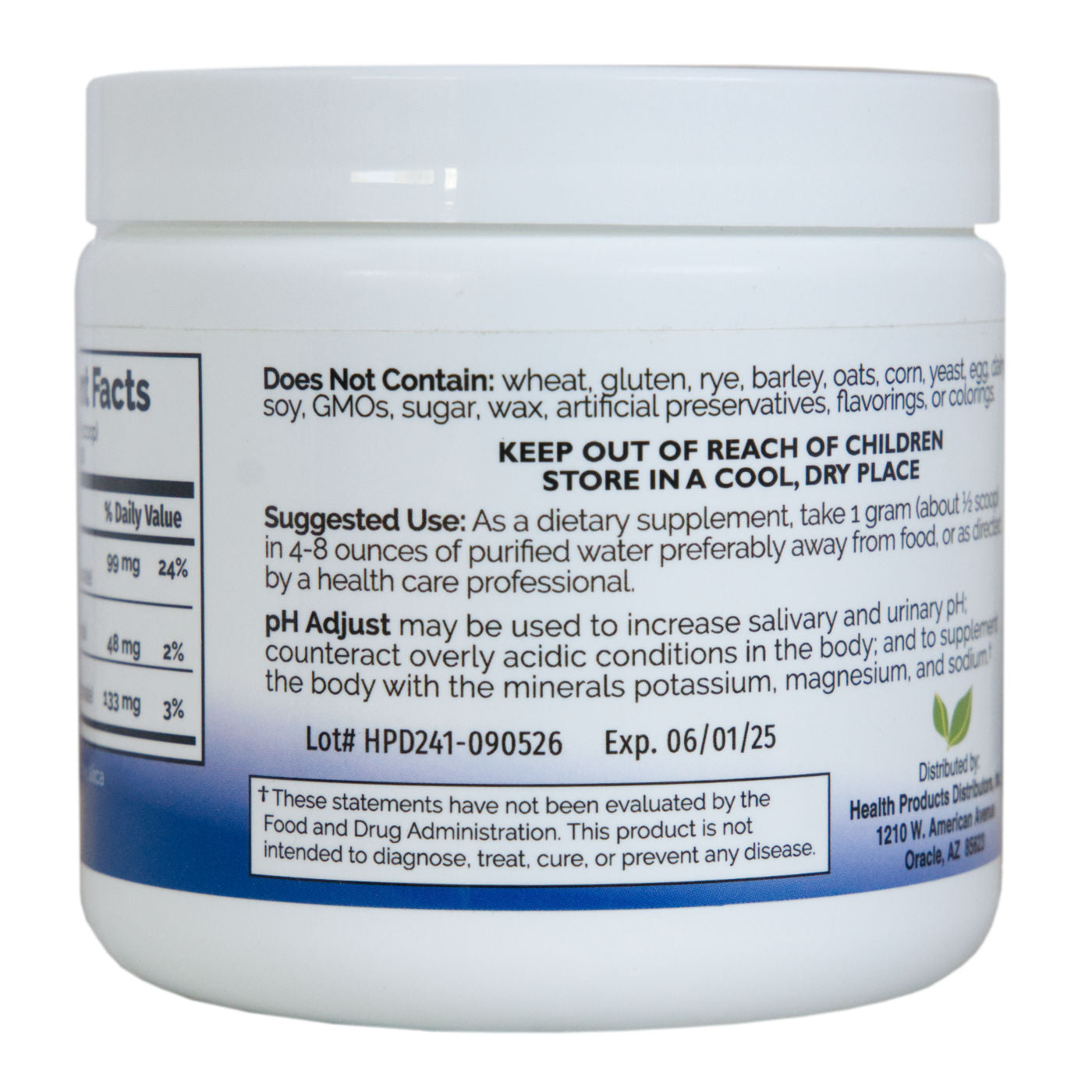
COMPOSITION: One gram (about 1/2 tsp) of pH ADJUST provides the following percentages of the Daily Value
| Amount Per Serving | % Daily Value | ||
|---|---|---|---|
| Potassium (from KHCO3) Magnesium (from MgCO3) Sodium (from NaHCO3) |
133.4 mg 99.1 mg 48.1 mg |
2.8% 24.8% 2% |
|
Other ingredients: Glycine and silica (0.5%)
INGREDIENTS: Potassium bicarbonate, magnesium carbonate, sodium bicarbonate, glycine, and silica.

Description
pH ADJUST is designed to balance pH in the body. pH Adjust may be used to increase salivary and urinary pH; counteract overly acidic conditions in the digestive tract, blood, and kidneys; and to supplement the body with the minerals potassium, magnesium, and sodium. pH Adjust contains (in powder form) potassium bicarbonate, magnesium carbonate, sodium bicarbonate, glycine, and silica (0.5%). Each serving (about ½ tsp) contains about 350 mg of bicarbonate, 260 mg of carbonate, 133 mg of potassium, 99 mg of magnesium, 48 mg of sodium, and 59 mg of glycine. It provides a potassium to sodium ratio of 3:1.
pH ADJUST is white powder that mixes into water, juices, other liquids, and foods. It acts rapidly to raise pH levels in the body. It is easy to use, mild-tasting, and highly effective for balancing pH levels. It is gluten-free, non-GMO, vegan/vegetarian, and contains no artificial ingredients.
NUTRITIONAL CONSIDERATIONS AND APPLICATIONS: The minerals potassium, sodium, and magnesium are key substances that are involved in many important functions in the body. When combined in bicarbonates (potassium & sodium), and carbonates (magnesium), these chemicals can help to adjust and balance pH levels that are crucial to body function. pH ADJUST provides a 3:1 ratio of potassium to sodium. This ratio keeps potassium levels relatively high with respect to sodium.
The processed food diets with a high protein and low vegetable content consumed by many people in the US. and elsewhere produce conditions in the body of acidity. This in turn leads to decreased oxygenation of our cells and a greater amount of anaerobic processes in metabolism. This, in turn, leads in inadequate ATP (energy) production and the presence of unwelcome anaerobic cells and organisms.
BICARBONATE
Bicarbonate is a major element in our body. Secreted by the stomach, it is necessary for digestion. When ingested, for example, with mineral water, it helps buffer lactic acid generated during exercise and additionally reduces the acidity of dietary components. Additionally, it has a preventive effect on dental cavities. Each ½ tsp of pH ADJUST contains about 350 mg of bicarbonate.
Bicarbonate is present in all body fluids and organs and plays a major role in the acid-base balances in the human body. The first organ where food, beverages and water stay in our body is the stomach. The mucus membrane of the human stomach has 30 million glands which produce gastric juice containing not only acids, but also bicarbonate. The flow of bicarbonate in the stomach amounts from about 24 mg/hr for a basal output to about 73 mg/hr for a maximal output. Thus at least half a gram of bicarbonate is secreted daily in our stomach. This rate of gastric bicarbonate secretion is 2–10% of the maximum rate of acid secretion. In the stomach, bicarbonate participates in a mucus-bicarbonate barrier regarded as the first line of the protective and repair mechanisms. On neutralization by acid, carbon dioxide is produced from bicarbonate.
Effects of ingested bicarbonate: For digestion, bicarbonate is naturally produced by the gastric membrane in the stomach. This production will be low in alkaline conditions and will rise in response to acidity. In healthy individuals this adaptive mechanism will control the pH perfectly. To modify this pH with exogenous doses of bicarbonate, some clinical experiments have been conducted with sodium bicarbonate loads as high as 6 g. Only a transient effect on pH has been obtained. It is quite possible that bicarbonate in water may play a buffering role in the case of people sensitive to gastric acidity. Thus bicarbonate may be helpful for digestion.
The most important effect of bicarbonate ingestion is the change in acid-base balance as well as blood pH and bicarbonate concentration in biological fluids. It has been studied particularly in physically active people. Among the types of acid produced, lactic acid generated during exercise is buffered by bicarbonate. In a study on sports, a dose of 0.3 g per kg of body weight of sodium bicarbonate was given (15.25 g bicarbonate for a man of 70 kg) to subjects before performing 30 minutes cycling. While blood pH was increased and then maintained constant with this bicarbonate load due to the changes in blood bicarbonate concentrations, increased acidity and decreased bicarbonate blood concentration were observed in controlled subjects.
CARBONATE
pH ADJUST contains about 260 mg of carbonate (and 99 mg of Mg) in the form of magnesium carbonate. Magnesium carbonate is used as an antacid that gets converted to Magnesium Chloride (MgCl) and CO2 by stomach acid. MgCl is a well absorbed form of magnesium.
COMPOSITION: One gram (about 1/2 tsp) of pH ADJUST provides the following percentages of the Daily Value
| Amount Per Serving | % Daily Value | ||
|---|---|---|---|
| Potassium (from KHCO3) Magnesium (from MgCO3) Sodium (from NaHCO3) |
133.4 mg 99.1 mg 48.1 mg |
2.8% 24.8% 2% |
|
Other ingredients: Glycine and silica (0.5%)
INGREDIENTS: Potassium bicarbonate, magnesium carbonate, sodium bicarbonate, glycine, and silica.
These products have not been approved by or evaluated by the FDA and are not intended to diagnose, treat, cure or prevent any disease.
SHOP OUR BEST SELLERS
-
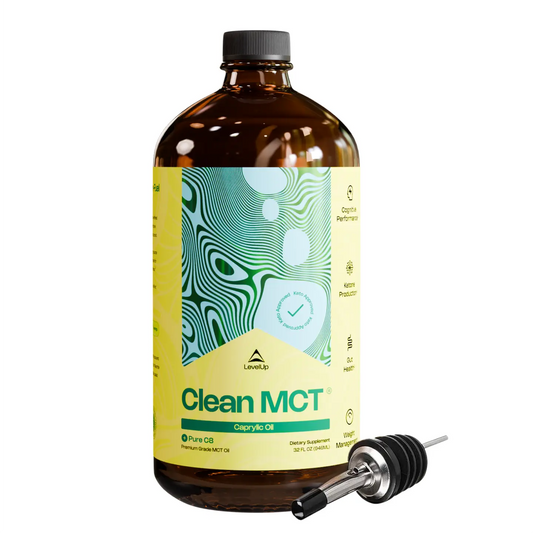
Clean MCT Oil
Vendor:Level UpRegular price From $34.99 USDRegular priceUnit price per -
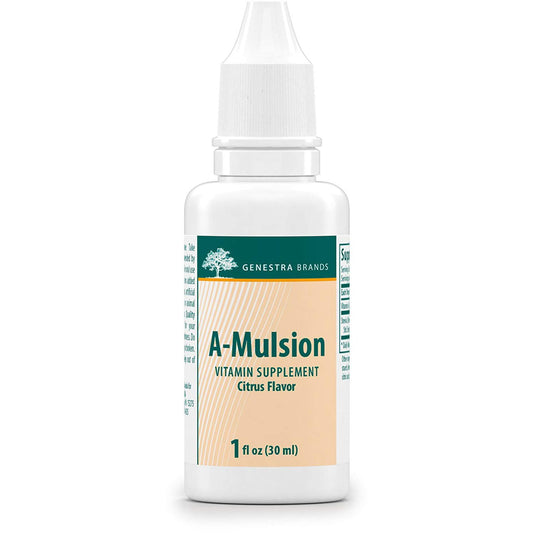
A-Mulsion 1 oz.
Vendor:GenestraRegular price $27.99 USDRegular priceUnit price per -
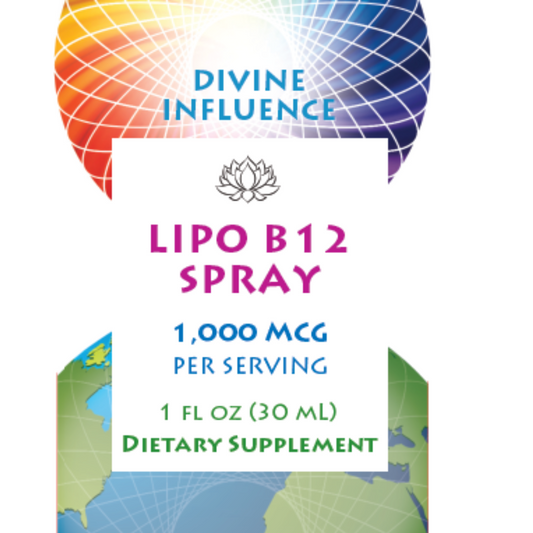
Lipo Hydroxy B12 Spray 1 oz
Vendor:Options NaturopathicRegular price $41.90 USDRegular priceUnit price per -
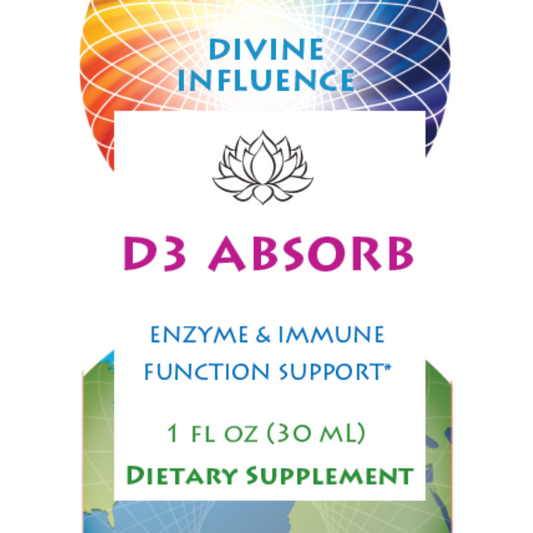
D3 Absorb (1oz)
Vendor:Options NaturopathicRegular price $25.90 USDRegular priceUnit price per